
Supporting Healthcare in Antarctica: Emergency Dental Training for British Antarctic Survey Doctors
Delivering healthcare in extreme and isolated environments presents unique challenges, particularly when it comes to dental emergencies. For doctors working at British Antarctic Survey (BAS) research stations, access to specialist dental care simply isn’t an option. During the Antarctic winter, evacuation may be impossible, meaning medical teams must be prepared to manage dental emergencies independently.
To address this gap, Peninsula Dental Social Enterprise (PDSE) developed a specialist four-day Emergency Dental Training programme for doctors from the British Antarctic Survey Medical Unit (BASMU), equipping them with the dental knowledge and practical skills needed before deployment.
Preparing for Dental Emergencies in Remote Locations
Doctors deployed to Antarctica are often the only healthcare professionals on station. While highly trained in general medicine, most have limited experience in dentistry. The absence of evacuation options during winter months increases the need for on-site competence in managing acute dental pain, oral infections, dental trauma, and temporary restorations. Without prompt treatment, these conditions could compromise both individual wellbeing and continuity in the operation of the research station. Our training programme helps doctors recognise, assess and manage these situations safely and effectively until definitive dental treatment is available.

The Training Programme
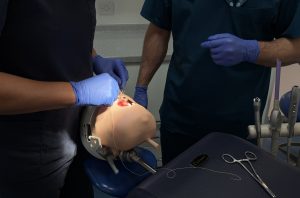
The intensive four-day emergency dental training course is tailored specifically for BAS medical personnel, combining classroom teaching with practical clinical training, giving participants the confidence to deal with real-life dental emergencies in isolated settings. The key components of the course include:
- Dental Materials & Equipment: Participants are introduced to commonly used dental materials, including temporary filling compounds, cements, and basic instruments. Emphasis is placed on practical selection and use in resource-limited environments.
- Prevention & Oral Health Education: Doctors learn how to promote oral health among station personnel, focusing on preventive strategies to reduce the likelihood of dental emergencies during deployment.
- Temporary Fillings & Pain Management: Hands-on sessions cover the placement of temporary fillings and the management of dental pain, enabling doctors to stabilise patients until definitive care is possible.
- Trauma Management: The course provides structured training on handling dental trauma, including fractured teeth, avulsions, and soft tissue injuries—critical skills in remote and hazardous environments.
A defining feature of the programme is its strong emphasis on experiential learning:
- Classroom-Based Learning: Foundational knowledge is delivered through interactive lectures and case discussions.
- Clinical Simulation: Participants practice in a fully equipped dental surgery setting, simulating real-world scenarios.
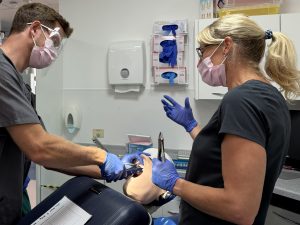
- Oral Surgery Practice Using Porcine Models: The use of pig heads provides a realistic and ethical model for practicing oral surgical techniques. This allows doctors to gain confidence in procedures such as extractions and soft tissue management in a controlled environment before facing real cases in Antarctica.
Making a Difference
The training has demonstrated a positive impact on both the confidence of participating doctors and the resilience of BAS operations.
Doctors report greater confidence in diagnosing and managing dental conditions independently, reducing the risk of complications and the need for emergency evacuations. By providing timely treatment on station, they can minimise disruption to research activities caused by preventable or manageable dental issues while ensuring colleagues receive essential care.
Working Together to Improve Care
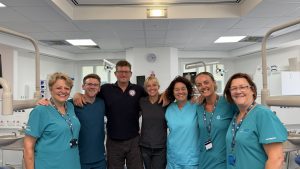
The collaboration between Peninsula Dental Social Enterprise and the British Antarctic Survey highlights an innovative approach to bridging the gap between medicine and dentistry in extreme environments. By combining targeted training with realistic simulation, we’re helping ensure that essential dental care remains available even in the most isolated parts of the planet, giving BAS doctors the confidence and skills to respond when dental emergencies arise.
Find out more about the British Antarctic Survey Medical Unit and bespoke dental training here.

